
Explore Effective Insulation Services for Your Home

Updated: Oct 29, 2025
When it comes to making your home more comfortable and energy-efficient, home insulation solutions are a game changer. I’ve seen firsthand how the right insulation can transform a space. It keeps the heat in during winter and the cool air inside during summer. Plus, it helps you save money on energy bills. If you want to improve your home’s comfort and reduce your energy costs, this guide is for you.
Let’s dive into the best ways to insulate your home, what options you have, and how to choose the right solution for your needs.
Why You Need Home Insulation Solutions
Insulation is more than just a layer in your walls or attic. It’s a barrier that controls the temperature inside your home. Without proper insulation, your heating and cooling systems work overtime. This wastes energy and drives up your bills.
Here’s why investing in home insulation solutions matters:
Energy Savings: Proper insulation reduces heat loss and gain. This means your HVAC system uses less energy.
Comfort: Insulation keeps your home warmer in winter and cooler in summer.
Noise Reduction: It also acts as a sound barrier, reducing outside noise.
Environmental Impact: Using less energy means a smaller carbon footprint.
Protects Your Home: Insulation helps prevent moisture buildup, which can cause mold and damage.
If you want a home that feels cozy year-round and costs less to run, insulation is the key.

Types of Home Insulation Solutions You Should Know
There are several types of insulation materials and methods. Each has its strengths and best uses. Here’s a quick rundown of the most common options:
1. Fiberglass Insulation
Fiberglass is one of the most popular choices. It comes in batts or loose-fill and is great for walls, attics, and floors. It’s affordable and easy to install.
Pros: Cost-effective, fire-resistant, widely available.
Cons: Can irritate skin and lungs during installation, needs proper sealing.
2. Spray Foam Insulation
Spray foam expands to fill gaps and cracks. It creates an airtight seal, which is excellent for energy efficiency.
Pros: High R-value (thermal resistance), seals leaks, adds structural strength.
Cons: More expensive, requires professional installation.
3. Cellulose Insulation
Made from recycled paper treated for fire resistance, cellulose is eco-friendly and effective.
Pros: Environmentally friendly, good for irregular spaces.
Cons: Can settle over time, may absorb moisture if not properly installed.
4. Rigid Foam Board
These panels provide strong insulation and moisture resistance. They’re often used in basements and exterior walls.
Pros: High insulating value, moisture resistant.
Cons: Can be costly, requires precise cutting and fitting.
5. Reflective or Radiant Barrier
This type reflects heat away, making it ideal for hot climates. It’s usually installed in attics.
Pros: Reduces cooling costs, lightweight.
Cons: Less effective in cold climates.
Choosing the right insulation depends on your home’s design, climate, and budget. Sometimes, a combination of these materials works best.
How Much Does an Insulation Job Cost?
Understanding the cost of insulation helps you plan your budget. Prices vary based on the type of insulation, the size of your home, and the complexity of the job.
Here’s a rough estimate of costs per square foot:
| Insulation Type | Cost Range (USD) |
|----------------------|-----------------------|
| Fiberglass Batts | $0.40 - $1.50 |
| Spray Foam | $1.00 - $3.00 |
| Cellulose | $0.60 - $2.00 |
| Rigid Foam Board | $1.50 - $4.00 |
| Radiant Barrier | $0.30 - $0.50 |
Keep in mind:
Labor costs can add 30-50% to the total.
Older homes may need extra prep work.
Some insulation types require professional installation for best results.
Investing in quality insulation pays off over time through energy savings and increased home value.

How to Choose the Best Insulation for Your Home
Choosing the right insulation can feel overwhelming. Here’s how I recommend you approach it:
1. Assess Your Home’s Needs
Look at your home’s age, climate, and current insulation. Older homes often need upgrades. If you live in a hot or cold region, your insulation needs will differ.
2. Consider Your Budget
Set a budget but think long-term. Cheaper insulation might save money upfront but cost more in energy bills.
3. Think About Installation
Some insulation types are DIY-friendly, like fiberglass batts. Others, like spray foam, need professionals.
4. Check for Energy Efficiency Ratings
Look for insulation with a high R-value. This number shows how well it resists heat flow. The higher the R-value, the better.
5. Evaluate Environmental Impact
If sustainability matters to you, consider eco-friendly options like cellulose or recycled materials.
6. Consult Experts
Don’t hesitate to get advice from insulation professionals. They can recommend the best solutions tailored to your home.
If you want to explore trusted insulation services, I recommend checking out Insul Pro Solutions. They specialize in energy-efficient upgrades that save money and improve comfort.
Tips to Maximize Your Insulation Investment
Once you’ve chosen your insulation, here are some tips to get the most out of it:
Seal Air Leaks: Insulation works best when combined with proper air sealing around windows, doors, and vents.
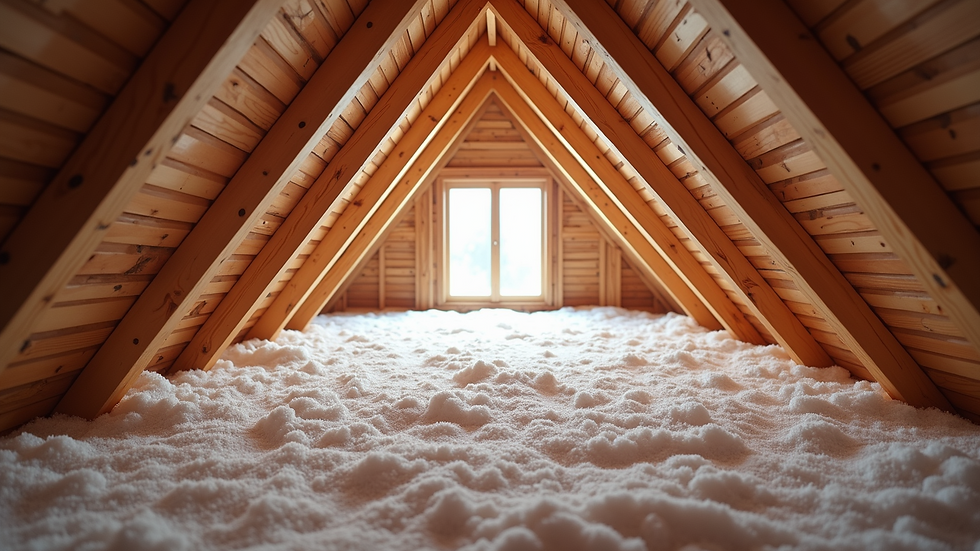
Insulate the Attic: Heat rises, so the attic is a major source of heat loss.
Don’t Forget the Basement and Crawl Spaces: These areas can let in cold air and moisture.
Maintain Your Insulation: Check for damage or moisture regularly.
Upgrade Windows and Doors: Insulation works hand-in-hand with energy-efficient windows and doors.
By following these tips, you’ll boost your home’s energy efficiency and comfort.
Ready to Upgrade Your Home’s Comfort?
Investing in home insulation solutions is one of the smartest moves you can make. It’s about more than just saving money - it’s about creating a space that feels good all year long. Whether you’re building new or upgrading an older home, the right insulation makes a big difference.
If you want expert help, consider professional insulation services. They can guide you through the process and ensure your home is protected and efficient.
Start your insulation journey today. Your home - and your wallet - will thank you!


Comments